



Care Guide
The materials in Madorne's collection are chosen for longevity. The steps below keep them performing and looking as intended - provided they receive the right care at the right intervals.
Upholstery Care by Material
Boucle
Boucle sofas and chairs have a looped weave that rewards gentle, consistent maintenance.

- Vacuum weekly using an upholstery attachment on low suction. High-suction settings and beater-bar attachments can snag the loops.
- Blot spills immediately with a clean dry cloth. Work from the outside of the spill inward to avoid spreading.
- Do not rub. Rubbing pulls the loops and causes permanent pilling that cannot be reversed.
- Avoid soaking. The backing can shrink or distort if saturated.
- Stubborn spots: apply a small amount of mild upholstery cleaner to a damp cloth and test on a hidden area first before touching the visible surface.
- Professional cleaning is recommended once a year for pieces in daily use.
Velvet
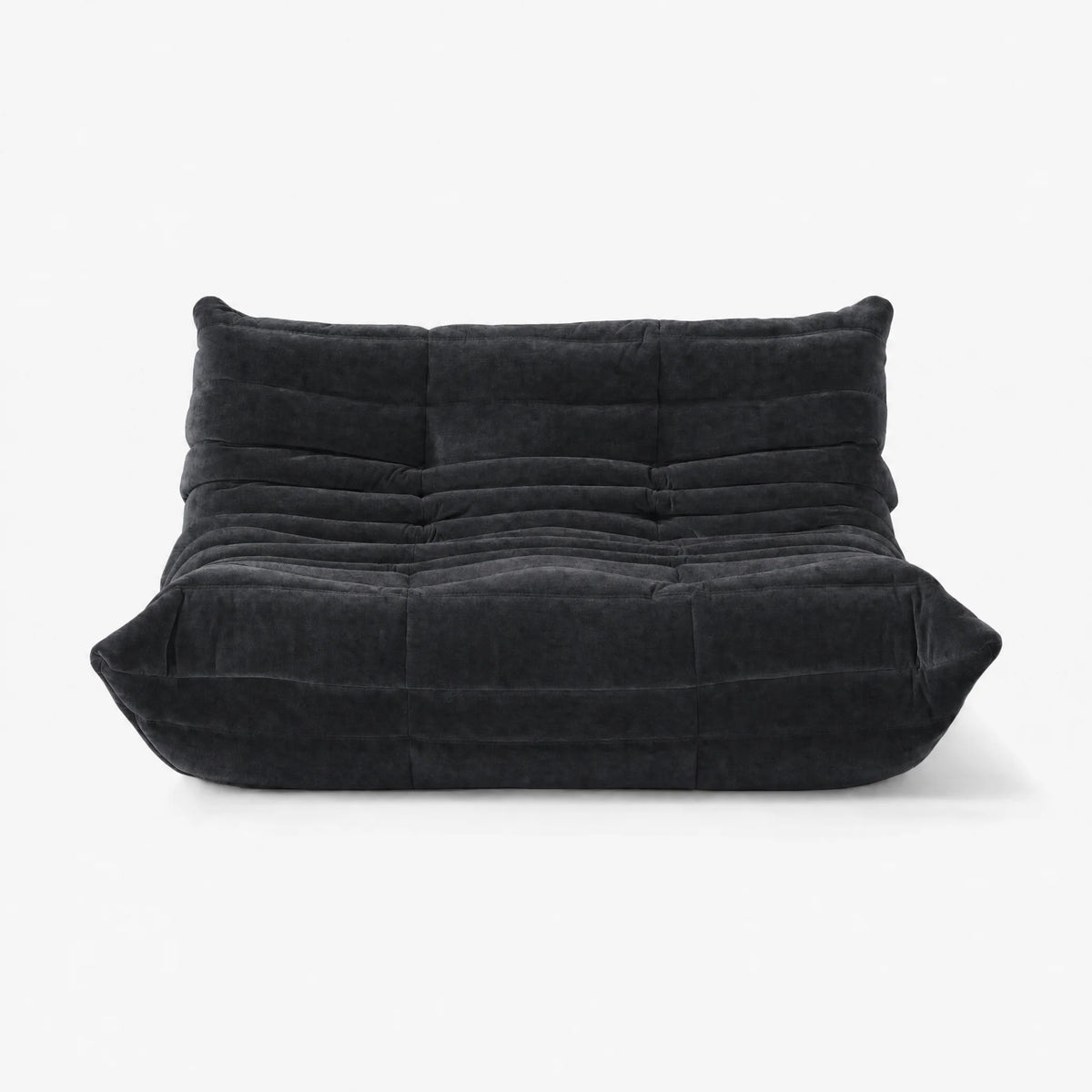
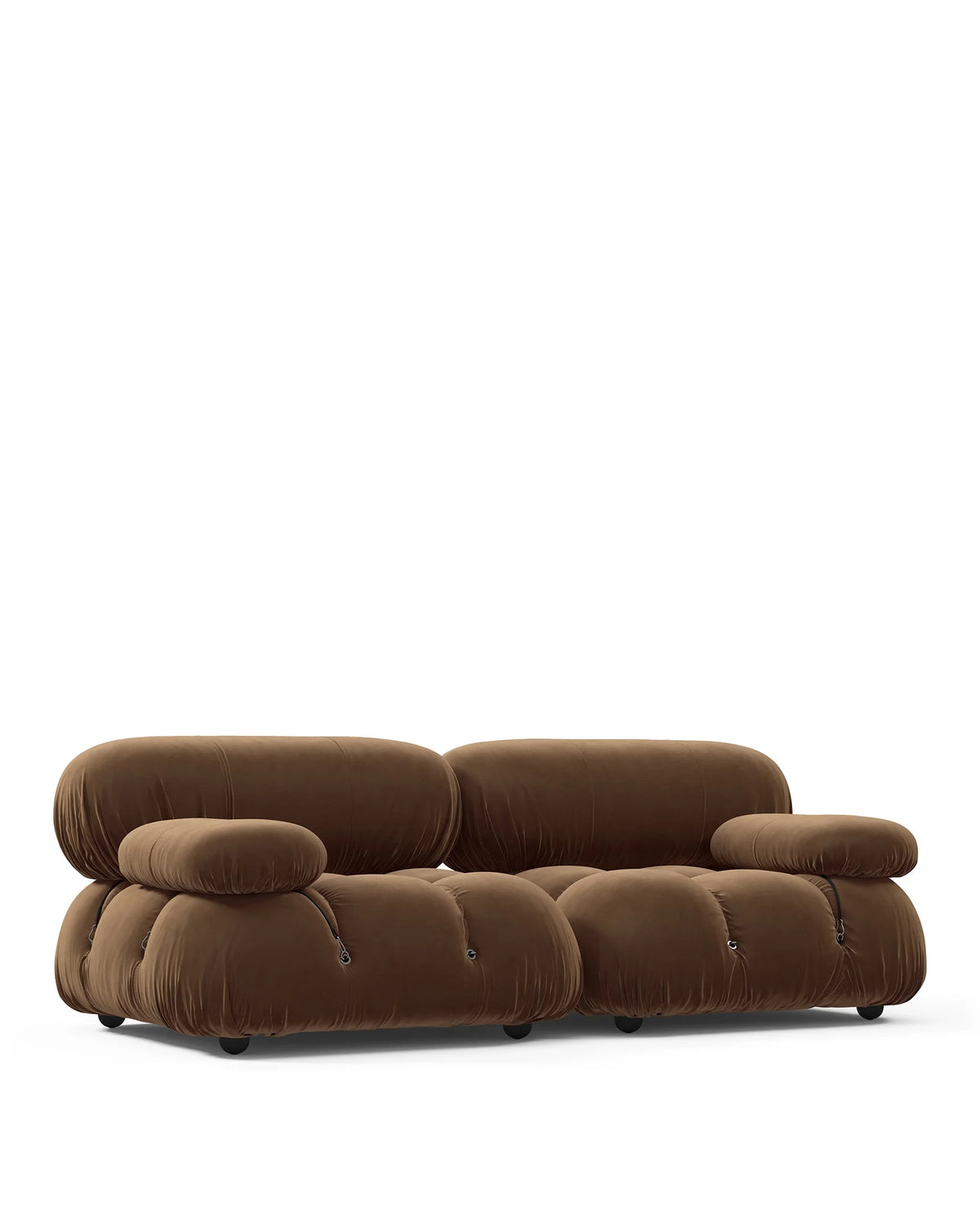
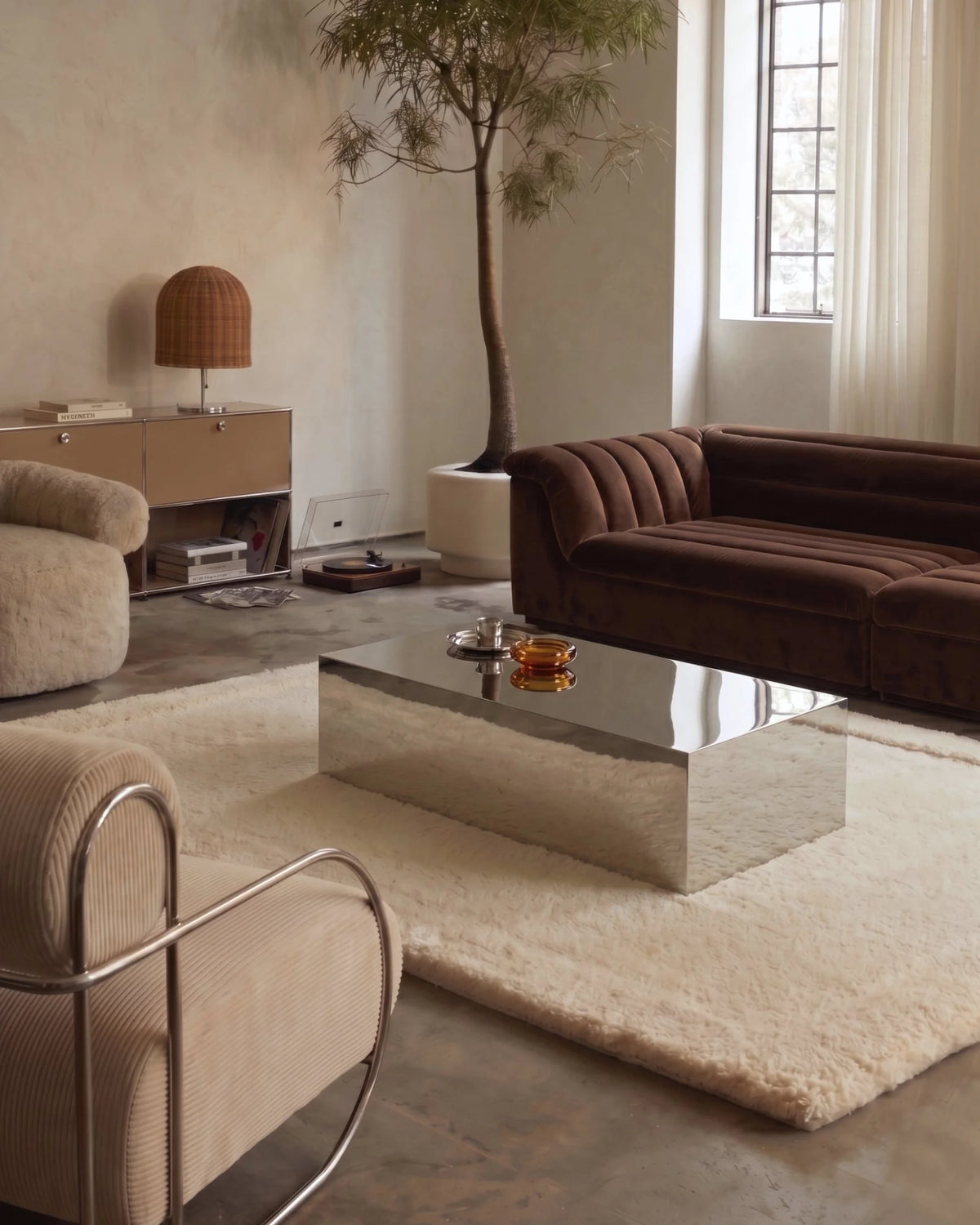
- Brush regularly with a soft velvet brush in the direction of the pile. This prevents flattening and restores sheen between uses.
- Blot spills immediately - do not rub. Velvet pile is directional; rubbing causes permanent marks.
- Avoid moisture where possible. Velvet watermarks easily. Always blot; never wipe.
- Rotate and flip seat cushions every one to two months to distribute wear evenly across the pile.
- Keep out of direct sunlight. Velvet fades faster than most upholstery fabrics under sustained UV exposure.
- Professional cleaning only for deep stains. Do not machine wash velvet cushion covers.
Velvet sofas benefit particularly from the brushing step - it takes under a minute and makes a visible difference over time.

Leather
- Wipe down monthly with a clean, slightly damp cloth to remove dust and surface oils. Dry immediately with a second clean cloth.
- Condition twice a year with a leather conditioner - test on a hidden area first. Conditioning prevents drying and cracking, especially in low-humidity environments or near heating vents.
- Blot spills immediately. Leather is more forgiving than fabric, but prolonged moisture penetrates the grain.
- Avoid direct sunlight and heat sources (radiators, vents). Both dry and crack leather over time.
- Do not use household cleaners, alcohol-based products, or baby wipes. These strip the finish.
- Scratches on full-grain leather often buff out lightly with a fingertip. Deep scratches benefit from a leather repair kit matched to the hide colour.
Leather sofas develop a natural patina with age - consistent conditioning is the single most effective way to keep that patina even.

Fabric (non-boucle, non-velvet woven upholstery)
- Vacuum weekly with an upholstery attachment.
- Blot spills immediately with a clean dry cloth. Mild dish soap diluted in water works for most water-based stains - test first on a hidden area.
- Check the care label on removable cushion covers before washing. Many can be cold-machine-washed on a gentle cycle; do not tumble dry.
- Rotate cushions every one to two months to even out wear.
- Professional cleaning for oil-based stains or full sofa cleaning.
Frame and Base Care
Wood

- Dust regularly with a dry or very slightly damp cloth. Avoid excess moisture on wood joints and veneer edges.
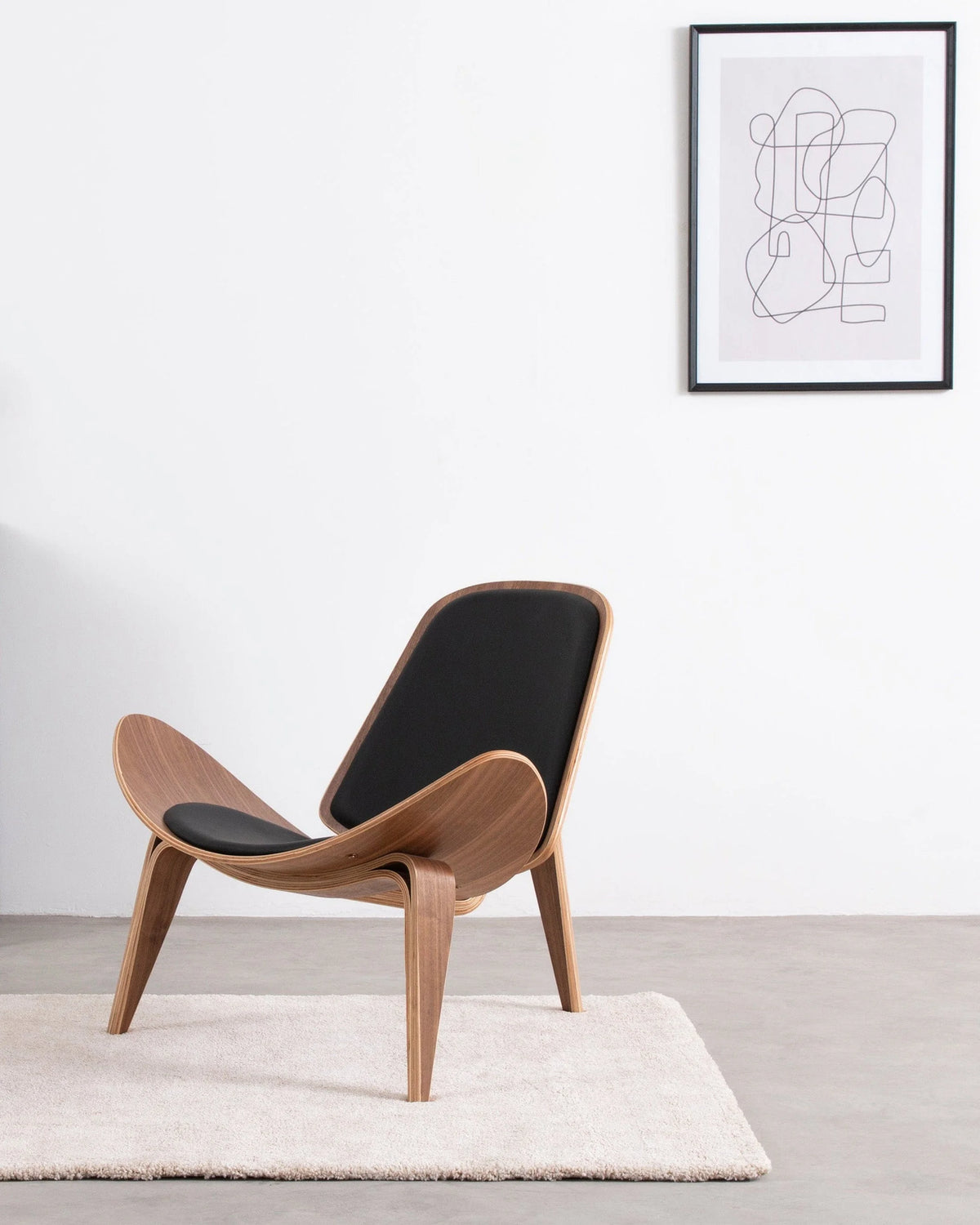
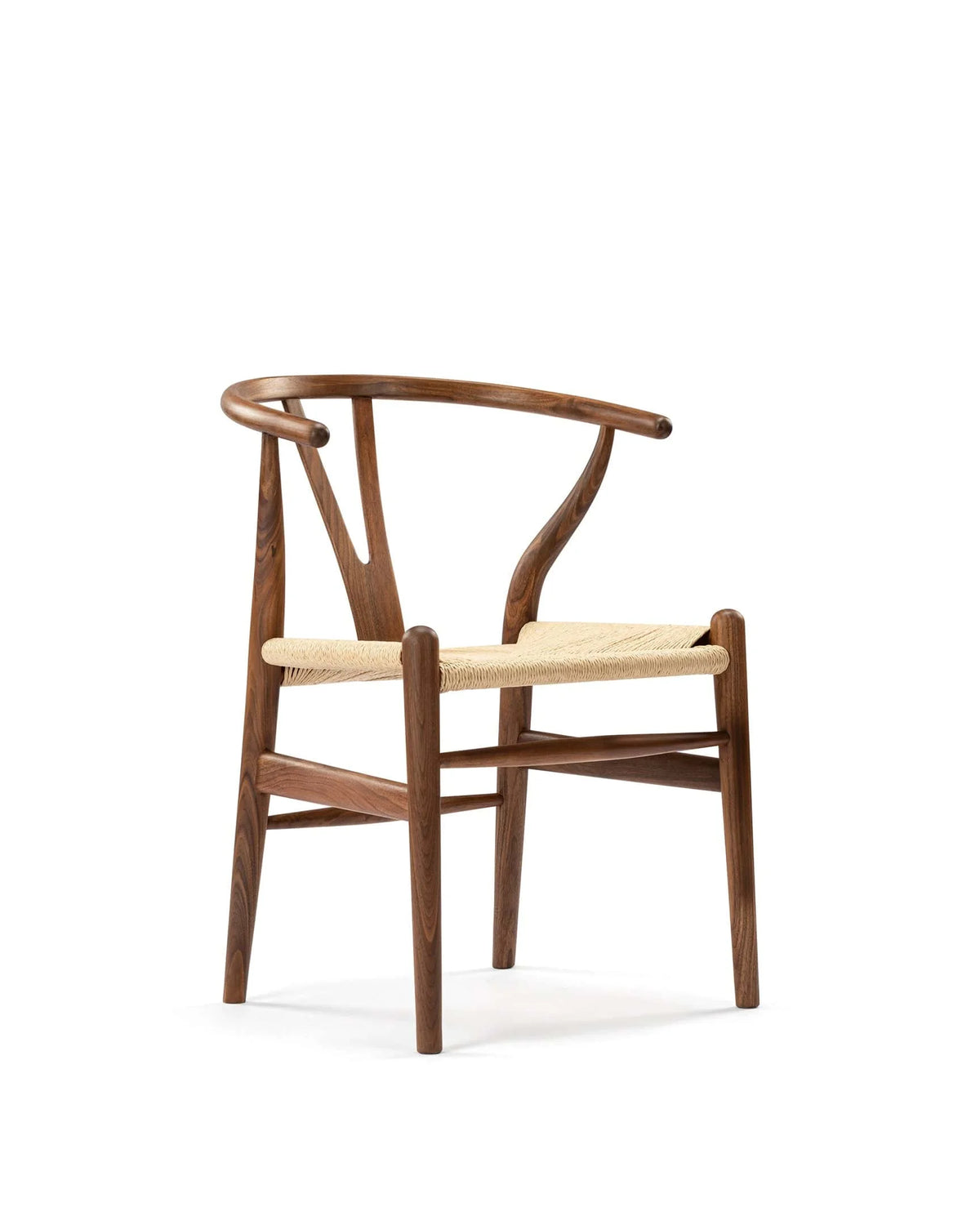
- Apply a furniture wax or oil appropriate to the finish once or twice a year. Oiled and lacquered wood require different products - check the product page for finish type before purchasing a treatment.
- Keep away from radiators and air conditioning vents. Rapid humidity changes cause wood to expand and contract, which can crack joints over time.
- Use felt pads under legs on hard floors to prevent scratching.
Metal
- Wipe with a dry cloth to remove dust. For fingerprints or smudges, use a slightly damp cloth followed immediately by a dry one.
- Brushed metal finishes: wipe in the direction of the brush grain to avoid cross-grain scratches.
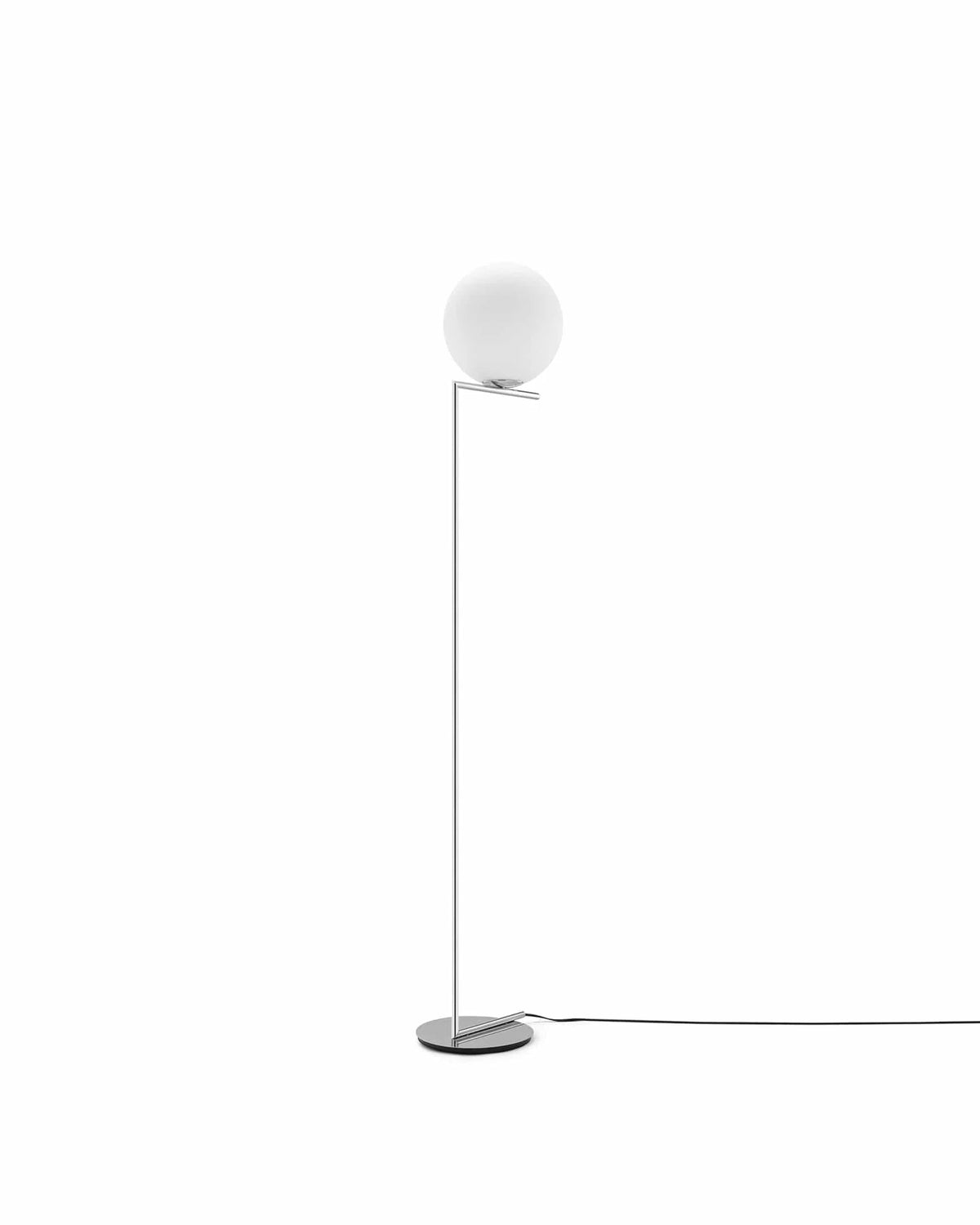
- Polished metal: a microfibre cloth prevents micro-scratching.
- Avoid abrasive cleaners or steel wool on any metal finish.
- Rust spots on iron-based frames are rare in indoor use but possible in high-humidity rooms. Address immediately with a specialist metal treatment before the rust spreads.
Stone and Marble

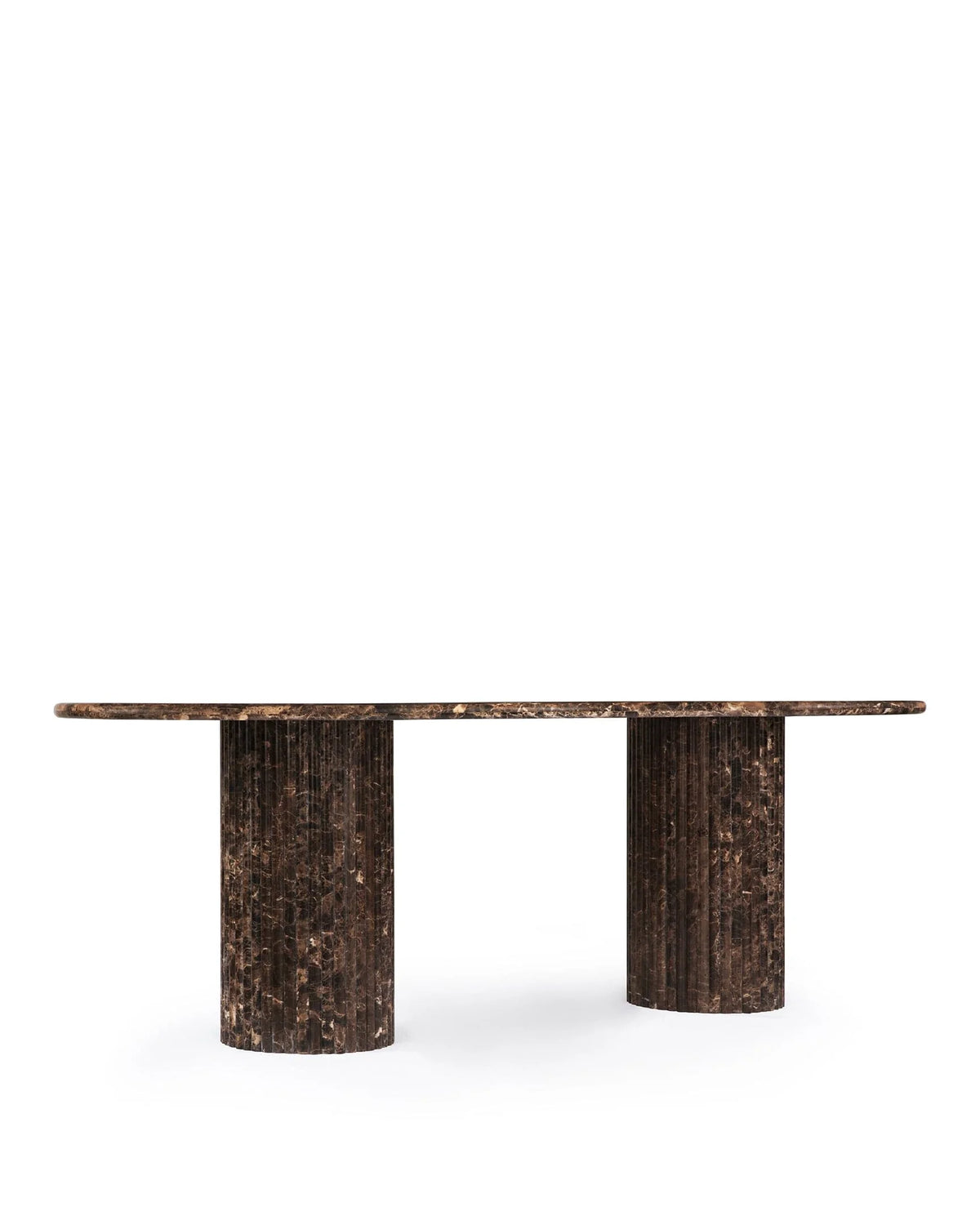
- Wipe with a damp cloth and mild pH-neutral soap. Rinse with a clean damp cloth and dry immediately - do not let water pool on stone surfaces.
- Seal marble and travertine once a year with a stone sealer to maintain stain resistance. Unsealed stone absorbs liquids quickly.
- Blot spills immediately. Acidic liquids - wine, citrus, coffee - etch marble if left to sit.
- Do not use vinegar, lemon, or any acid-based cleaner on stone. Permanent etching results.
- Use coasters and felt pads under objects placed on stone surfaces.
Wool Rug Care
- Vacuum weekly in the direction of the pile - not against it, which pulls fibres. Avoid beater-bar attachments.
- Blot spills immediately with a clean dry cloth, working from the outside inward. Do not soak the backing.
- Professional cleaning every 12–18 months rather than machine washing.
- Use a non-slip rug pad underneath. This protects the backing and prevents movement under furniture.
- Rotate every 6–12 months if placed near a window to prevent uneven UV fading.
Wool rugs are durable by nature, but their longevity depends almost entirely on consistent vacuuming and prompt attention to spills.

General Rules
- Sunlight: direct, sustained sunlight fades every upholstery material and dries out leather and wood. Position pieces out of direct sun where possible, or use window film.
- Humidity: extremes in either direction damage furniture. Aim for 40–60% relative humidity indoors. Dry air cracks leather and wood joints; high humidity encourages mould in upholstery.
- Furniture leg pads: felt pads under every leg on hard floors prevent scratching and reduce noise when pieces are moved.
- Cleaning products: when in doubt, test any product on a hidden area first and wait 10 minutes before applying to a visible surface. Less is more - most upholstery damage from cleaning is caused by over-wetting or using the wrong product.
Proper care extends the life of every piece significantly - in many cases, doubling or tripling the years a piece remains in excellent condition. Browse the full Living Room Furniture collection to find pieces worth caring for.