



Our Manufacturing
A piece of furniture either holds up to daily use or it doesn't. That outcome is decided entirely at the manufacturing stage - in the choices made about materials, process, and inspection - not at the point of sale. It is the reason Madorne is specific about where its pieces are made and how.
Where We Manufacture
Madorne works with specialized manufacturing houses in Shenzhen, China, selected for their expertise in precision upholstery and furniture assembly. Shenzhen is not a generic manufacturing region. Over decades, it has developed deep concentrations of skilled labour, material supply chains, and process discipline in exactly the categories that furniture of this type demands - upholstered seating, wood and veneer finishing, and precision hardware. The manufacturing houses Madorne works with were chosen because they operate within that ecosystem at a high level of specialization. That is the starting point.

How Pieces Are Built
The guiding principle is straightforward: build it right, then verify - not the reverse. Verification does not substitute for sound construction; it confirms it.
Each piece is built to the same specification as the last. Repeatable processes mean that the second unit off a production run is held to the same standard as the first, and the fiftieth to the same standard as the second. Consistency is not accidental - it is the result of defined procedures followed the same way each time.
Upholstery at this level cannot be fully mechanized. Tight corners, consistent panel tension, and clean seam lines require trained craftspeople working to a defined standard. The hands doing this work are skilled in the specific demands of upholstered furniture - not generalists, but specialists in the material and the method.

Proportions, joinery, and hardware are specified before production begins. Engineering decisions are made at the design stage, not adjusted mid-run. This discipline is what keeps a piece dimensionally accurate and structurally coherent from the first unit to the last.
Quality Control
Inspection at Madorne is multi-stage - not a single check at the end of the line. A piece that passes inspection at every stage of production arrives as it should. A piece that only passes a final check may have accumulated small errors across earlier stages that compound into a larger problem by the time it reaches a home.
At each stage, the following are checked against specification:
- Proportions - dimensions are verified against the original specification to catch any drift before it carries forward
- Colour and finish consistency - all components are checked against each other, not just against an abstract standard
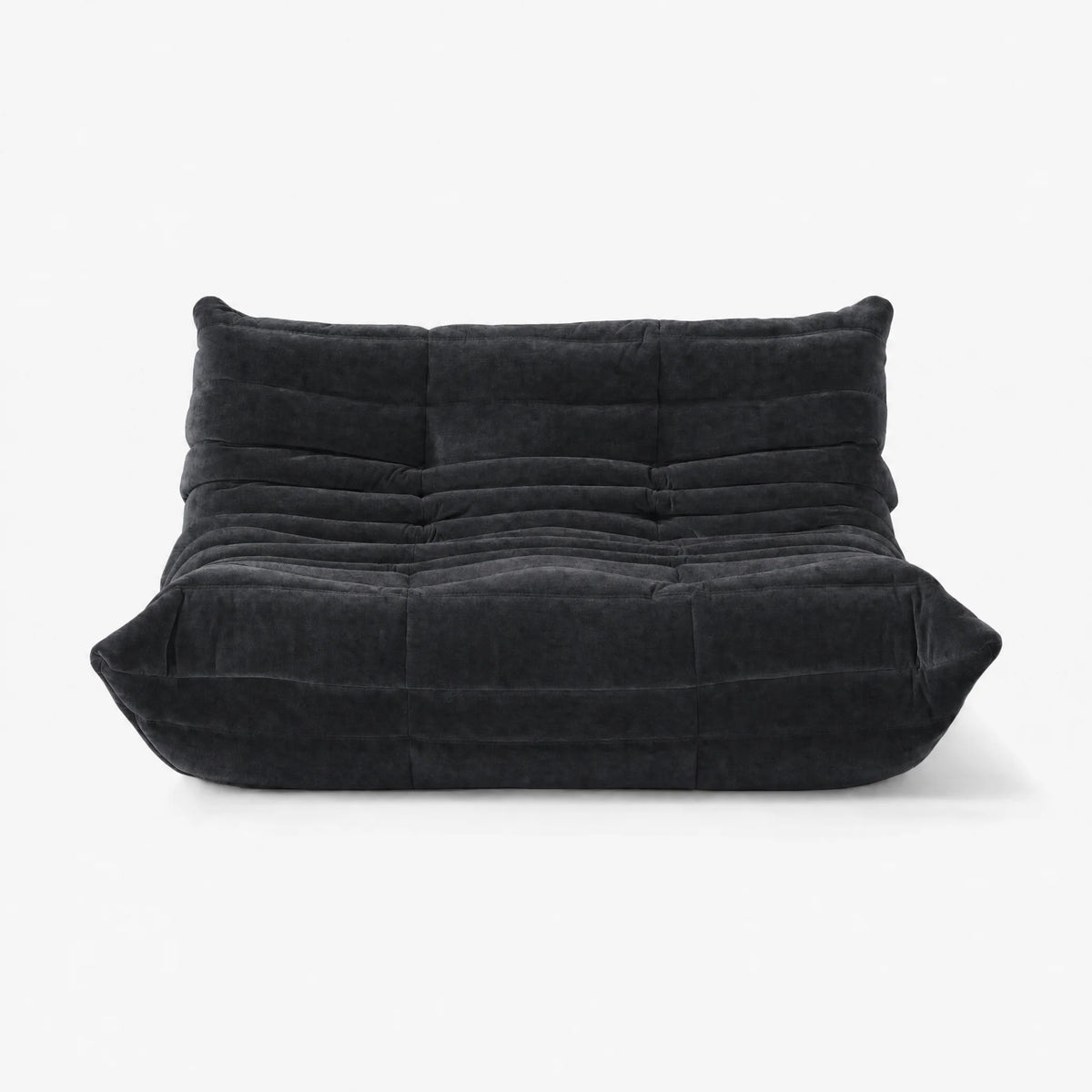
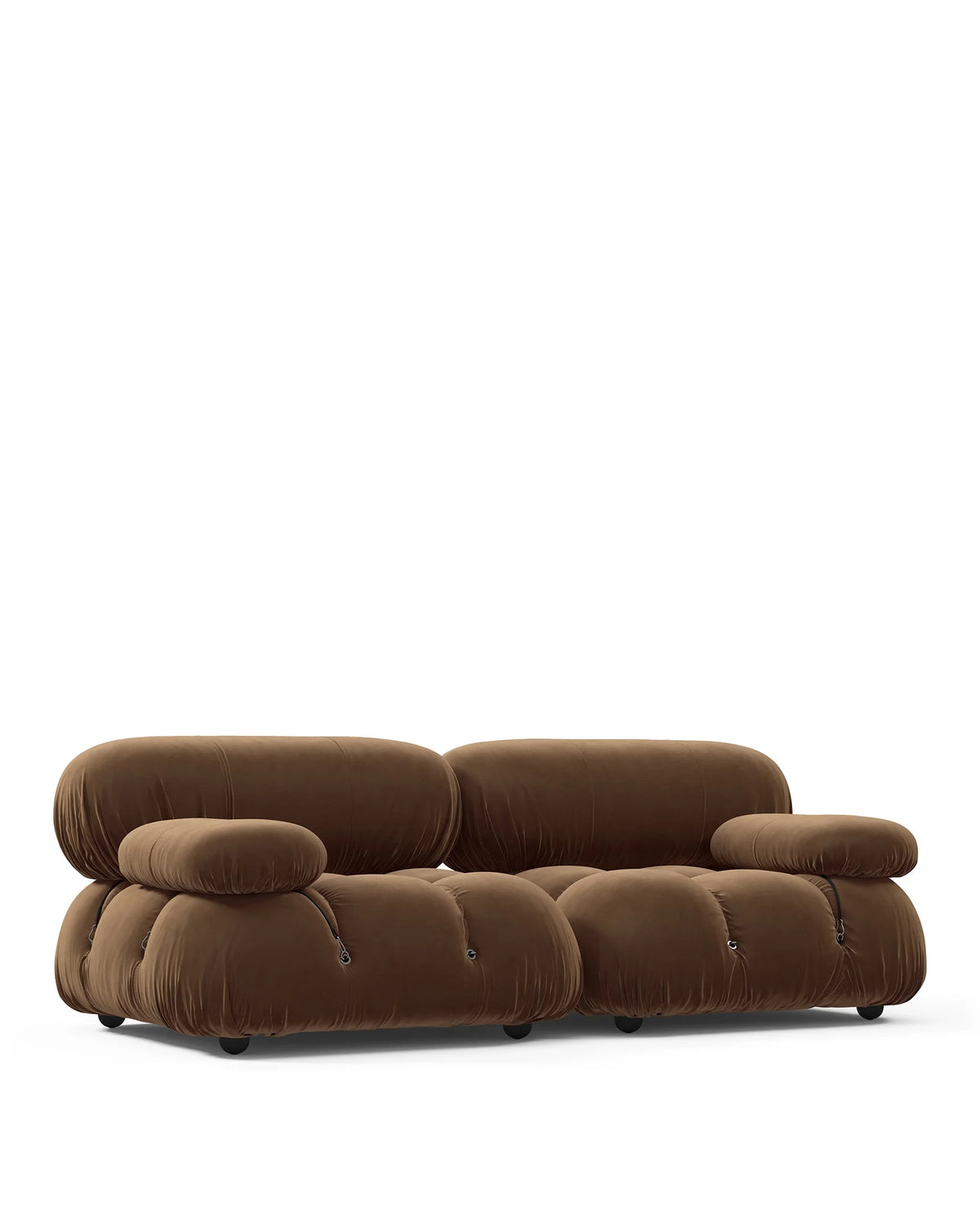
- Upholstery execution - panel tension, seam alignment, and corner treatment are assessed for uniformity and correctness
- Structural integrity - the assembled piece is evaluated for the kind of load and use it will encounter in everyday life
What QC catches before a piece ships: dimension drift, stitching inconsistencies, and finish variations between components. These are the categories of error that are invisible in a product photograph but apparent in daily use.

Materials We Work With
Material selection follows the same logic as the rest of the process - consistency and appropriateness to purpose.
Leather - full-grain and corrected-grain hides are used across leather sofas, selected for consistent surface quality and grain uniformity across panels. Variation in hide quality is one of the most common sources of visible inconsistency in upholstered leather pieces; selection at source is where that is controlled.
Woven textiles - boucle, velvet, chenille, and fabric are used across boucle sofas and velvet sofas, selected for weave consistency and colour stability. A textile that shifts in tone between panels, or that pills unevenly, is a material problem - not a care problem.
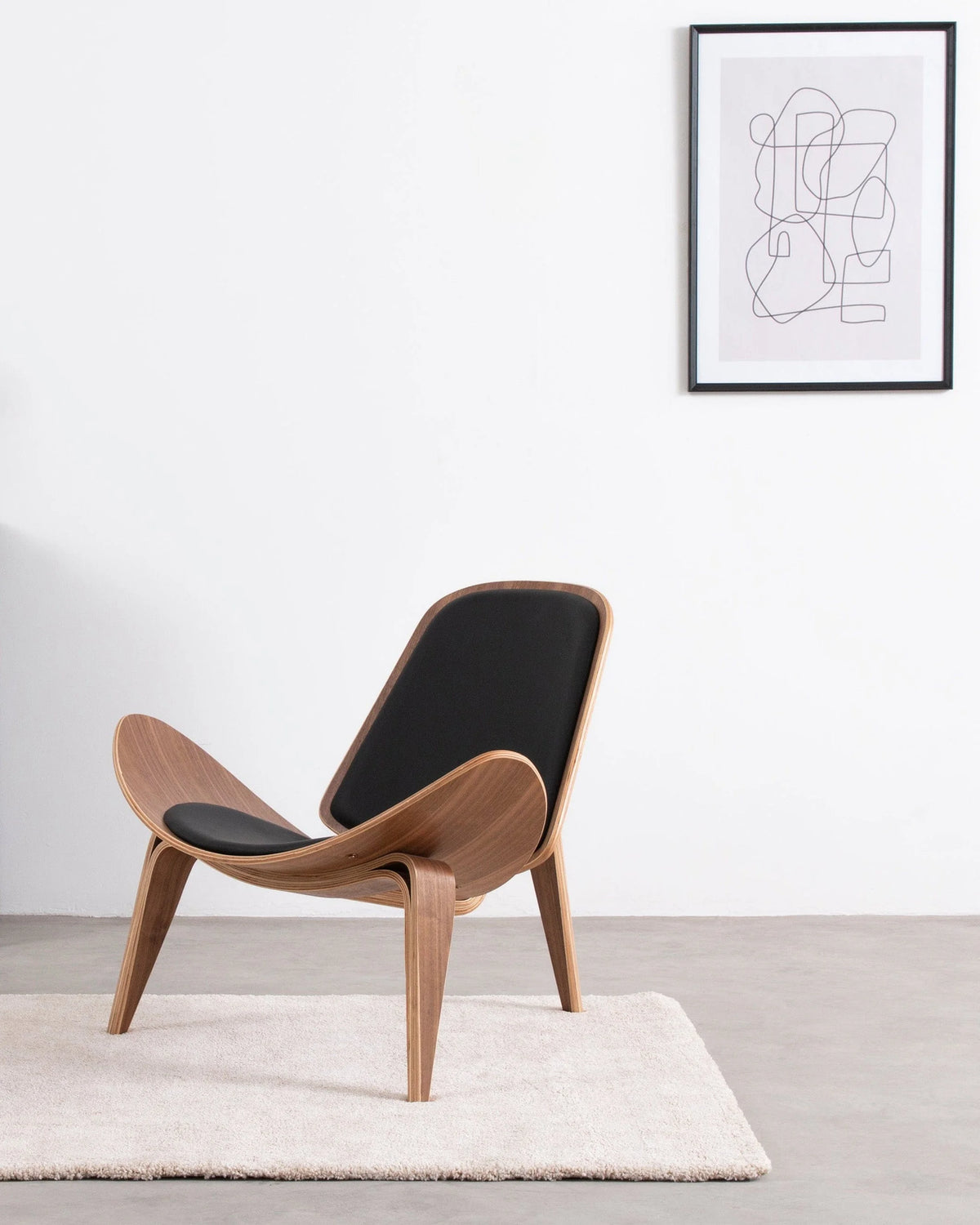
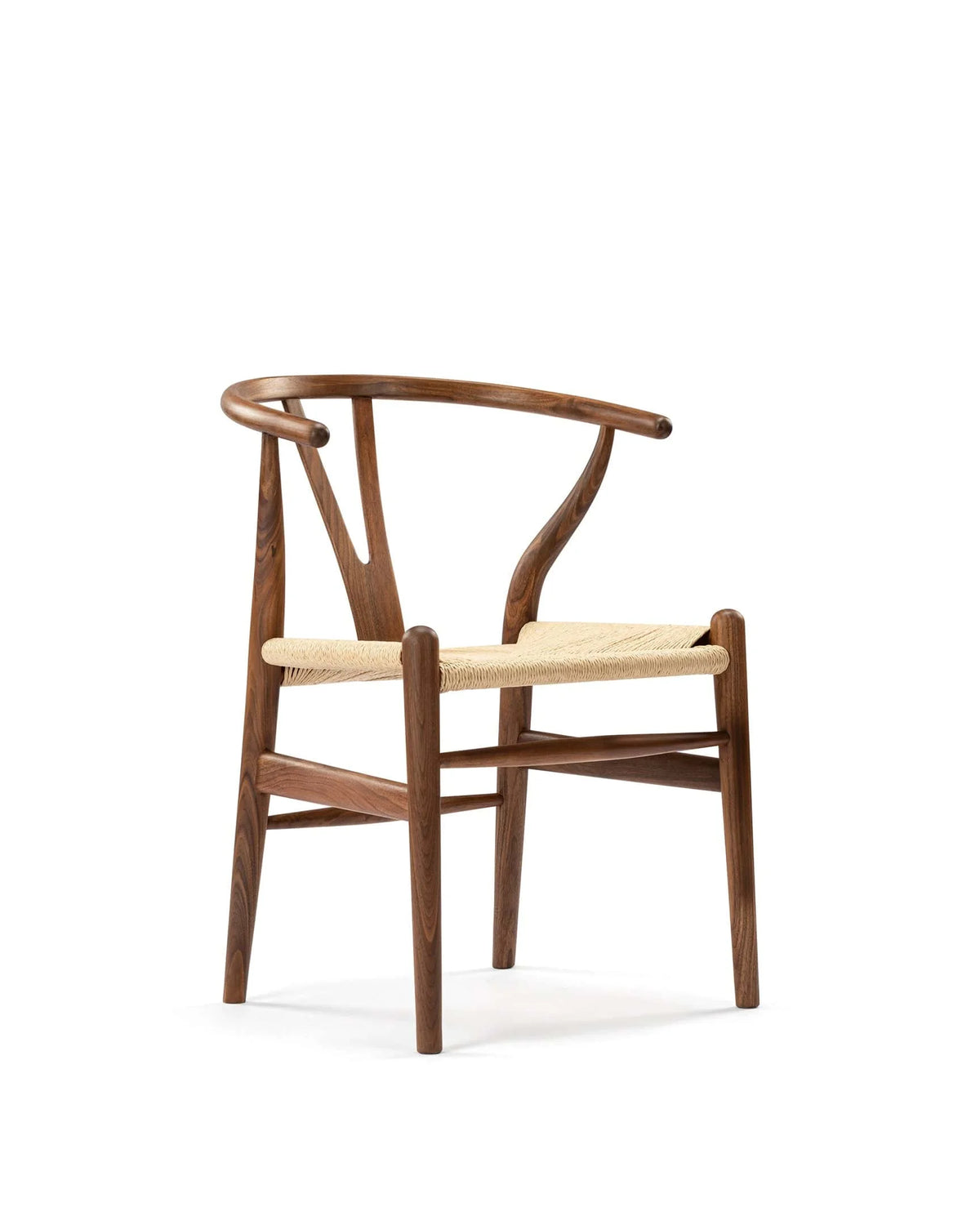
Wood veneers - used on bases, legs, and frame elements, selected for grain consistency and finish adhesion. Veneer that does not bond cleanly or that varies in grain character across a single piece undermines the visual coherence of the whole.
Foams - seat and back cushion fills are selected for density appropriate to sustained daily use. The standard applied is functional: a cushion should hold its form and support over time, not only when new.
Hardware - fixings, connectors, and mechanisms are selected for load tolerance and finish durability. Hardware that corrodes or loosens under normal use is a manufacturing failure, not a maintenance issue.
Madorne is independently manufactured and has no affiliation with the original designers or their estates whose proportions and forms Madorne references. The result is a piece built to the same considered standard - at a fraction of the price of licensed originals.