




How to Plan a Mid-Century Modern Living Room That Works

Written by Charlotte Bruno
Design Editor at Madorne
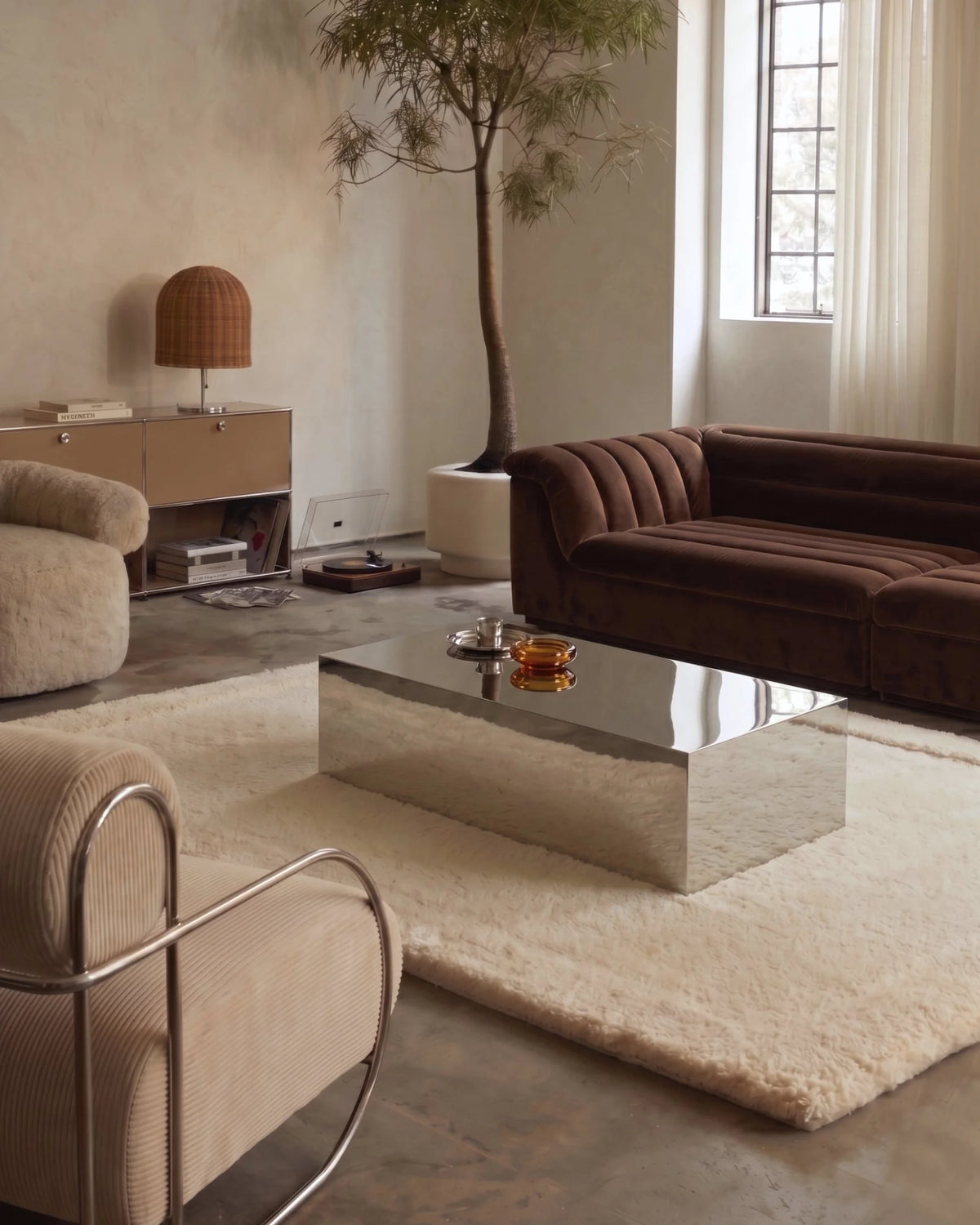
A convincing mid-century modern living room is not a checklist of walnut, tapered legs and mustard cushions. It is a room where seating, light, storage and circulation work together. The useful question is not “Does this object look retro?” but “What does this shape do in my room?”
Start with the room you actually have: a doorway people use, a window that brings glare, a radiator you cannot cover, and the places where you want to sit. Then choose a few clear relationships between furniture forms and materials. A contemporary sofa and a sculptural lounge chair can create a coherent room without pretending that every piece comes from the same decade.
Map the room before choosing its visual anchor
Draw the perimeter and mark fixed features: door swings, windows, outlets, heating, built-in cupboards and any route to another room. Measure between real obstacles, not just wall to wall. A bookcase, curtain stack or projecting hearth can reduce the space available for furniture.
Next, trace the journey from the entrance to the most-used seats and onward to other doors. That route should not depend on stepping over a table corner or moving a chair each time someone passes. Decide which open areas are circulation and which are simply unused space before trying to fill them.
Choose the activity, not an automatic focal point
A television, fireplace or window may organize the room, but none has to dictate every seat. If you read while someone else watches a screen, a chair can face slightly away from the main sofa. If conversation is the priority, avoid placing all seats in a line aimed at a blank wall.
Record two or three actual uses of the room. “Two people watching a film, one person reading, occasional guests” is more useful than “a stylish living room.” It tells you whether a second lounge seat adds something or merely occupies the floor.
Use the sofa’s full footprint, not its apparent lightness
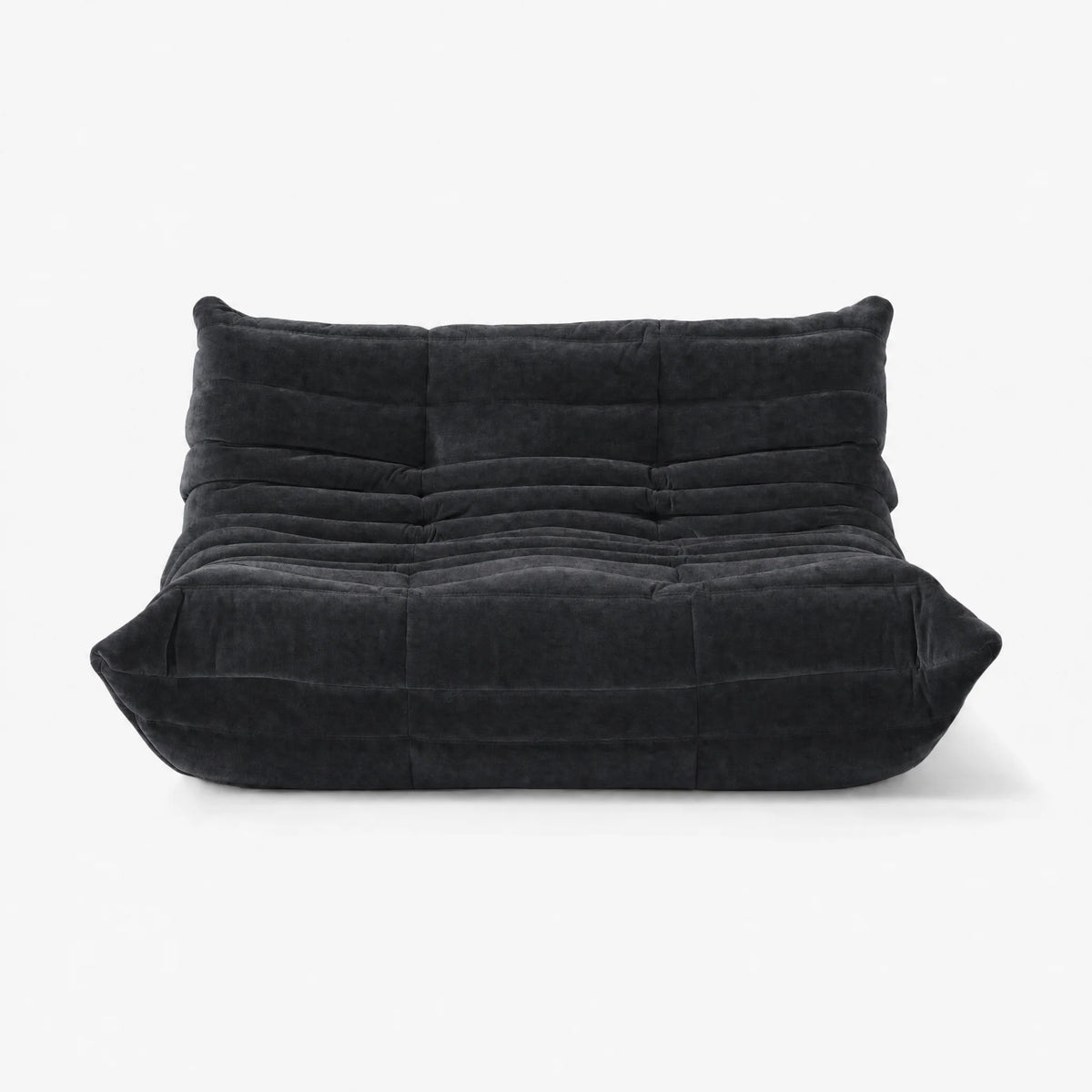
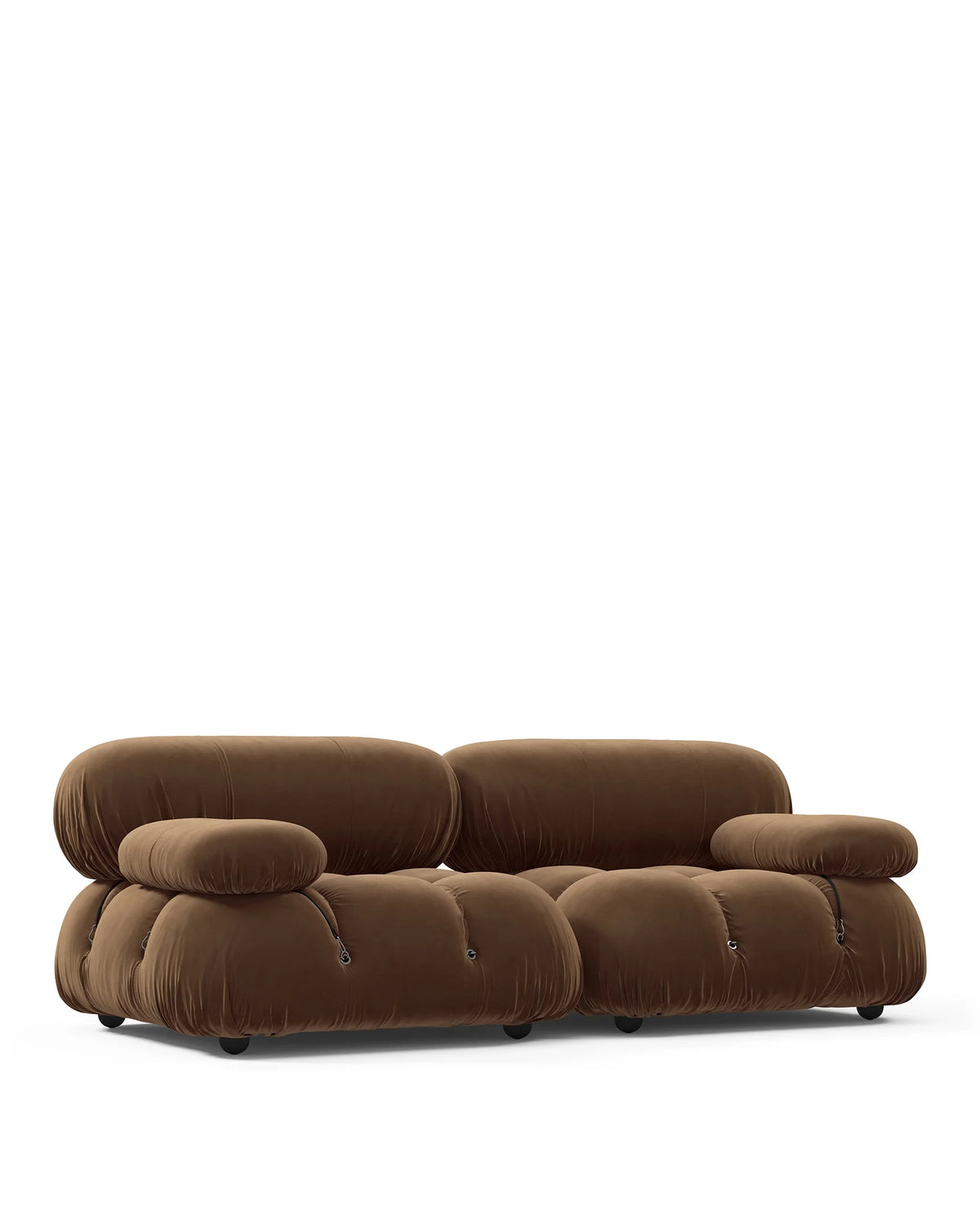
Low backs, visible legs and rounded corners can change how bulky a sofa looks, but they do not change its dimensions. Mark the full width and depth on the floor. Include the projecting arms and back, then check the seating area inside them. Overall width is not the same as usable seat width.

The Maren 70 ivory linen three-seater lists an overall width of 105 inches and depth of 39.4 inches, with 85 inches of usable seat width. Those measurements are a useful reminder that the shape seen in a photograph and the space needed at home are different questions.
Check height from more than one viewpoint
Look at a taped-out arrangement from the doorway, then from a seated position. A low back may preserve a view across an open-plan space; a taller back may give a seat a more enclosed feeling. Neither is automatically better. Consider the window, artwork or dining area behind the sofa.
Do not reject every generous sofa as “too bulky” for the style. A larger piece can work when the room gives it breathing space and the surrounding furniture is quieter. Conversely, several supposedly light pieces can create a crowded arrangement.
Let a lounge chair change the composition
A second seat is most useful when it introduces another way to use the room: reading, talking across the sofa, or sitting nearer a window. Angle it only after checking its footprint. The diagonal of a chair can occupy more floor depth than its straight-on dimensions suggest.

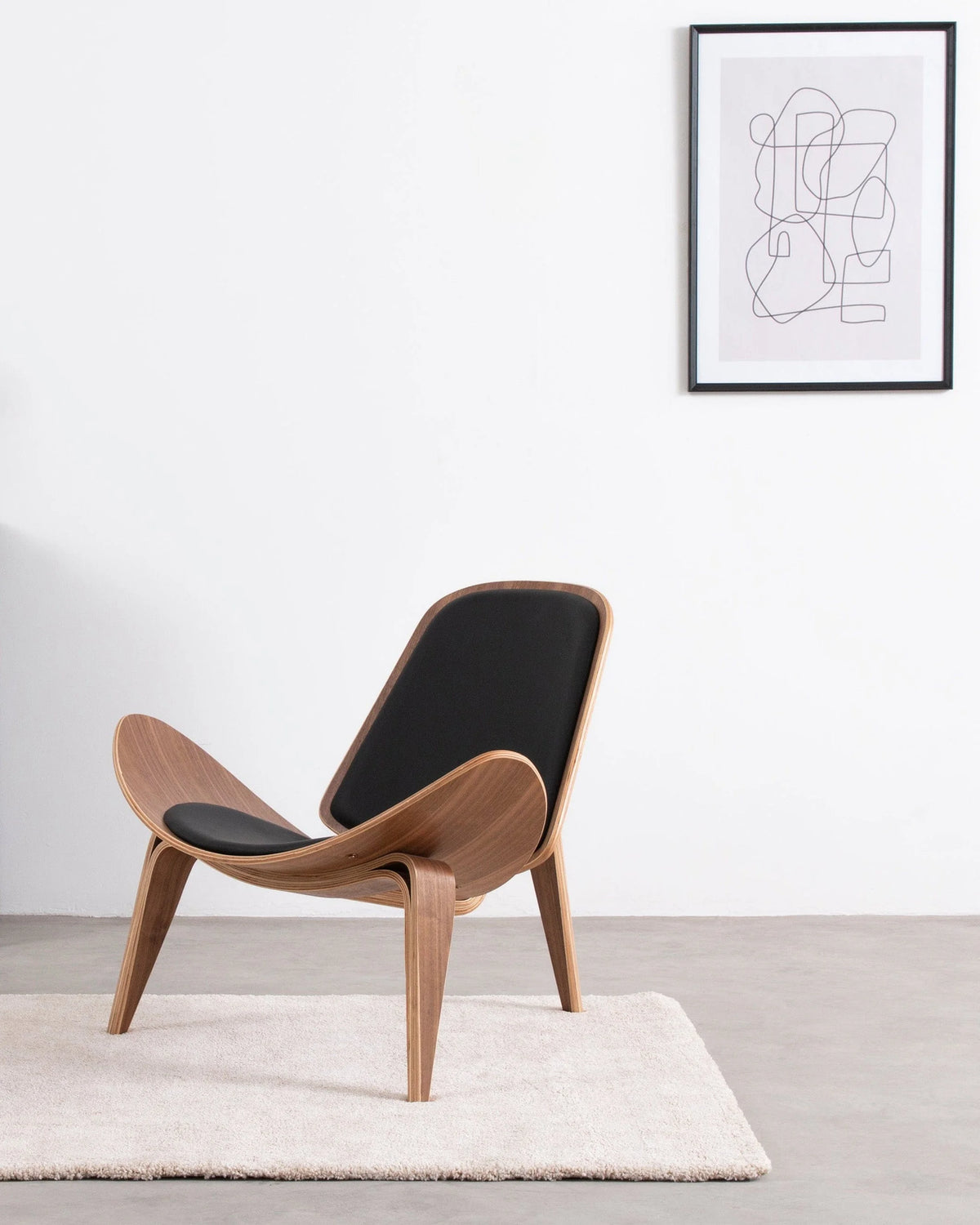
The Arc 07 shell lounge chair combines a curved walnut shell with upholstered seating. It is 35.4 inches wide and 31.5 inches deep, with a listed seat height of 14.6 inches. Its geometry and low seat make it a lounge piece, not a substitute for a dining chair merely because it has a wooden frame.
Give the seat the supporting objects it needs
A chair without a reachable surface or suitable light can look complete in a photo and still be awkward to use. Place the side table where the seated person can comfortably set down a cup. Check that a lamp does not sit in the walking route or shine directly into someone’s eyes.
For a chair-and-footrest arrangement, use our guide to planning a reading corner with an ottoman. It treats the chair, footrest and access route as one arrangement rather than measuring the seat in isolation.
Repeat a material relationship, not every finish
A room can feel coherent with one dominant wood tone and a second finish used deliberately. You do not need to match every grain exactly. Compare undertones and surface character in the light where the furniture will stand: a glossy reddish finish and a matte brown finish can look more different than their shared “walnut” label suggests.
Think in relationships: warm timber with a cool polished frame, plain linen with directional velvet, or a textured rug beneath a smoother table. Repeating one relationship in two areas gives the room structure without requiring a matching set.
Keep the large surfaces calm enough for the forms to read
If the sofa and chair have strong silhouettes, a quiet wall and simple curtains let those forms remain visible. If the room’s architecture is plain, a more expressive rug or artwork can supply contrast. The goal is hierarchy, not a rule that only beige walls or a fixed number of accent colors are allowed.
Pure white, cool gray and dark paint can all be workable choices. Judge them alongside the actual upholstery sample and daylight instead of excluding them because a style guide calls them inauthentic. Use small sample areas and look at them in the evening as well.
Make storage and lighting part of the layout
A low cabinet can reinforce horizontal lines while giving books, cables and everyday objects somewhere to go. A taller bookcase is not a stylistic failure if it solves a real storage need. Place it where its depth and doors do not interfere with circulation, and avoid letting it become an accidental barrier across the seating area.
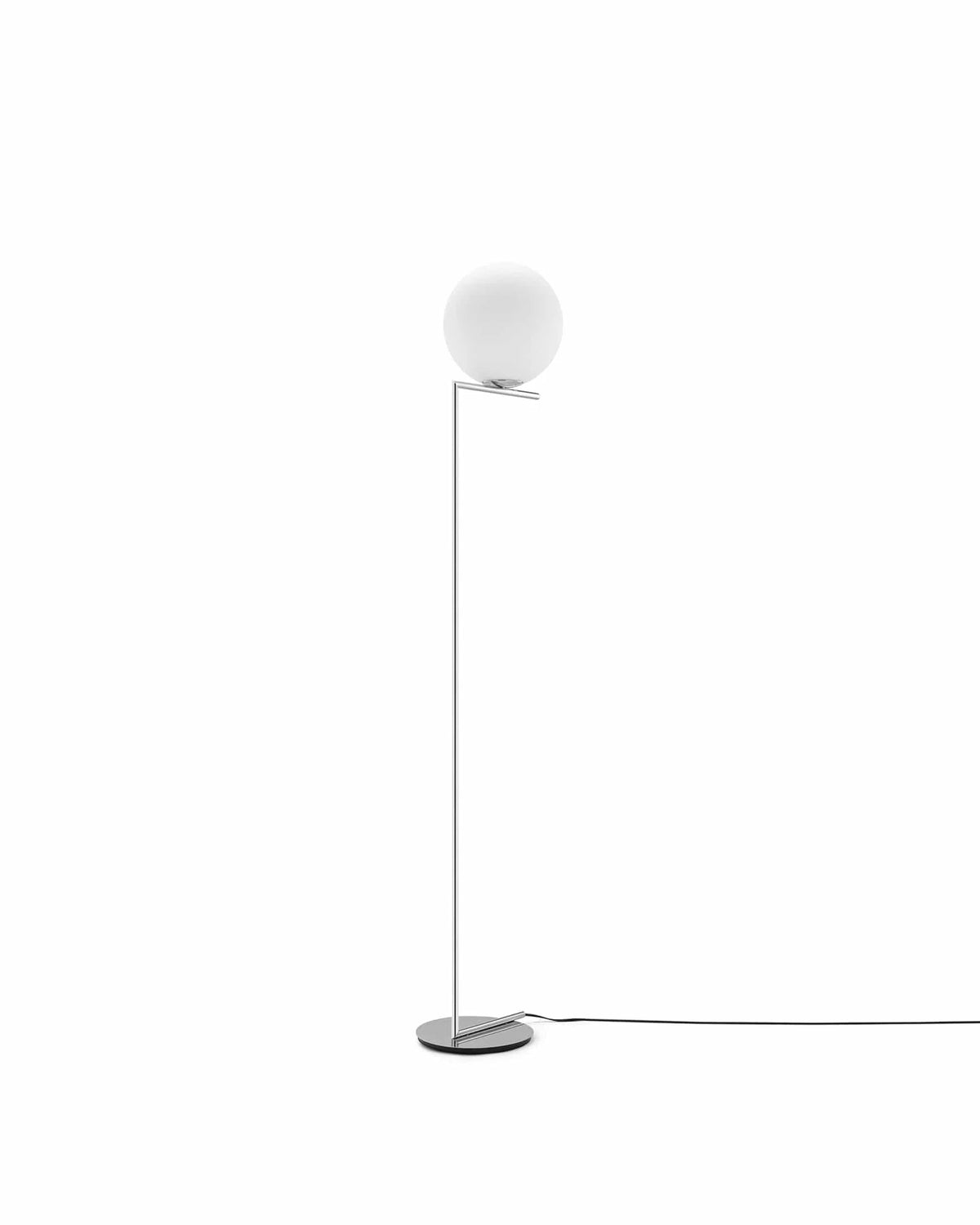
Lighting needs to support different moments: daylight for the room as a whole, a task light for reading, and gentler evening light. A sculptural fixture may contribute to the composition, but its position should still serve the people using the room.
Check cables before the final arrangement
Mark where cords will run and which sockets are actually available. Do not create a permanent cable across a walking path to put a lamp in the most photogenic corner. If electrical changes are needed, seek appropriate installation advice rather than improvising an unsafe route.
Check reflections too. A polished frame or glossy table can catch a bright window, while a reading light may reflect in a screen. Moving a fixture or rotating a seat slightly can solve an annoyance without replacing the furniture.
Edit the room by removing conflicts
Before buying another object, identify what is competing for attention or preventing comfortable use. It might be two tables doing the same job, a spare chair blocking the doorway, or several small accessories hiding the surface of a useful cabinet.
Remove one thing at a time and reassess from the entrance and from the main seat. Keep the objects that have a job or a clear personal meaning. A lived-in room can contain photographs, books and a favorite blanket; it does not need to resemble an empty editorial set.
When browsing furniture for the living room, use the measured plan to shortlist the anchor pieces first. Add supporting objects only once their place and purpose are clear.
Mid-century modern living room planning: common questions
Can I mix a rounded sofa with a shell lounge chair?
Yes, if their scale and placement leave the arrangement comfortable to use. Let one silhouette lead and use quieter surrounding surfaces. Matching their decade or designer reference is less important than the relationship between their actual shapes.
Does a small room need only furniture with exposed legs?
No. Exposed legs may make more floor visible, but footprint and access remain decisive. A compact grounded seat can work better than a broad raised chair that blocks the route.
Should every seat face the television?
Only if that reflects how the room is used. A separate reading seat or conversational angle can make the space more useful. Test visibility and access from each seat before settling on the arrangement.
How can I keep the room from looking like a theme?
Choose furniture for its function and form, then combine it with objects you genuinely use. Avoid collecting every recognizable motif at once. A few strong shapes, a thoughtful material relationship and good circulation usually say more than a room full of retro accessories.
Read more

Understand external frames, cushion volumes and collaborative authorship without confusing design inspiration with original manufacture.

Read sculptural seating through its outline, surface and hidden structure, with Paulin references and current product examples.